4 Essential International Food Standards That Set Balba Apart
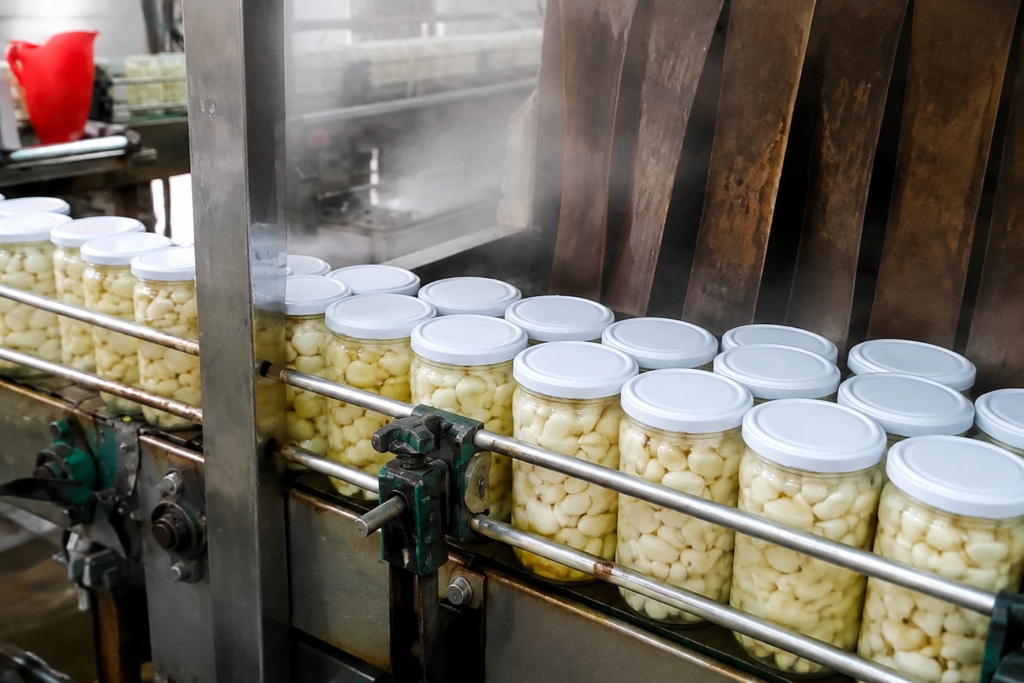
In international food trade, product quality alone is not enough. Today’s importers, distributors, wholesalers, and private label partners need a supplier that can demonstrate process consistency, food safety control, and recognized international certification. At Balba Food, these elements support a stronger export profile across multiple product categories. In global food trade, meeting international food standards is no longer optional — it is the entry ticket to export markets.
Balba’s approach reflects a commitment to internationally recognized systems related to quality management, food safety management, hazard prevention, and organic production scope. For global buyers, this creates a more reliable basis for supplier evaluation and long-term cooperation.
Why International Food Standards Matter for Export Buyers
Choosing a food supplier for export markets involves more than checking product taste or packaging design. Buyers must assess whether the manufacturer can meet operational, documentation, and compliance expectations over time.
This is why international food standards matter. They help indicate whether a company has:
- Controlled production systems
- Defined quality procedures
- Documented food safety measures
- Better traceability and process discipline
- Stronger readiness for export partnerships
For distributors and retailers, these factors reduce sourcing risk. For private label projects, they support more reliable execution. For premium and organic-focused markets, they contribute directly to brand trust.
Balba’s Certification Framework
Balba’s certification references highlight a structured operating model built around quality and food safety. These references include:
- ISO 9001:2015
- ISO 22000:2018
- HACCP
- Organic Certification
Together, these standards strengthen Balba’s profile as a certified food manufacturer, organic food supplier, and potential export partner for international markets.
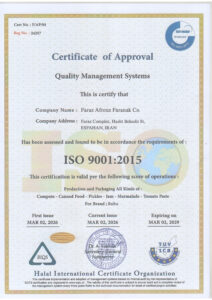
ISO 9001:2015 – Supporting Consistent Quality
ISO 9001:2015 is a globally recognized standard for quality management systems. It supports process control, documented workflows, continuous improvement, and customer-oriented operations. Among international food standards, ISO 9001:2015 is the most widely recognized quality management framework.
For international buyers, ISO 9001 can be an important sign that the manufacturer works through repeatable and managed procedures. This can help support:
- Consistency across production batches
- Better documentation practices
- Greater operational discipline
- Improved issue resolution
- Stronger confidence in long-term supply relationships
For companies seeking a dependable food manufacturer for export, quality management certification adds meaningful credibility.
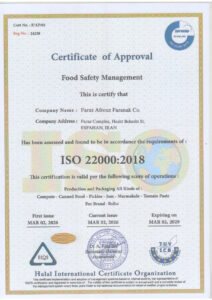
ISO 22000:2018 – Food Safety Management for Global Markets
Another core pillar of international food standards is ISO 22000:2018…ISO 22000:2018 focuses specifically on food safety management. It is designed to help food businesses identify and manage food safety risks in a systematic way.
For buyers sourcing products such as pickles, jam, marmalade, compote, tomato paste, and canned foods, this certification helps signal that production and packaging are aligned with a recognized food safety framework.
In export business, ISO 22000 is especially relevant when buyers need:
- Food safety assurance
- Supplier screening confidence
- Better compliance alignment
- Stronger operational transparency
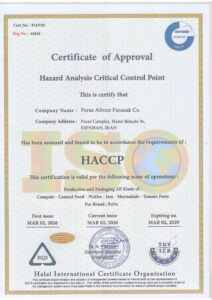
HACCP – Preventive Risk Control in Food Production
HACCP stands for Hazard Analysis Critical Control Point. It is one of the most important preventive systems in the food industry because it focuses on identifying hazards before they become product issues.
Rather than relying only on end-product inspection, HACCP supports a process-based control approach. This is valuable for importers and wholesalers because it helps strengthen confidence in:
- Preventive food safety controls
- Critical point monitoring
- Responsible production practices
- Safer packaging and handling processes
For a HACCP certified food company, this system supports credibility in both mainstream and regulated export channels.
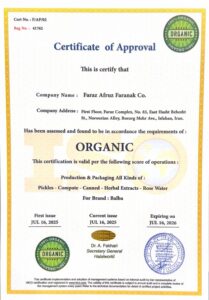
Organic Certification – Added Value for Premium Food Markets
As consumer demand shifts toward natural and clean-label products, the role of organic certification becomes increasingly important. In many international markets, certified organic positioning can influence distributor interest, retail placement, and final purchase decisions.
Balba’s organic certification scope includes categories such as:
- Pickles
- Compote
- Canned products
- Herbal extracts
- Rose water
This strengthens Balba’s position not only as a food supplier, but also as a brand with potential in premium and specialty segments. For buyers looking for a certified organic exporter or an organic food supplier, certification helps reduce uncertainty and increase trust.
Product Categories with Export Potential
Balba’s certified manufacturing and packaging scope supports several commercially relevant categories for B2B and export markets, including:
- Pickles
- Jam
- Marmalade
- Compote
- Tomato paste
- Canned food
- Herbal extracts
- Rose water
These categories are suitable for different channels such as:
- Food distribution
- Ethnic retail
- Premium grocery
- Wholesale supply
- Private label and OEM food projects
Why Balba Can Be Relevant for International Buyers
Buyers looking for a partner compliant with international food standards will find Balba a strong candidate. For global customers, certifications matter because they can reflect operational maturity. Balba can be relevant to buyers who are looking for:
- A certified food manufacturer
- An ISO 22000 certified supplier
- A HACCP certified food producer
- An organic food supplier
- A partner for private label food manufacturing
- A source for bulk food supply and export cooperation
By presenting certification-backed credibility together with export-oriented product categories, Balba can create stronger engagement with professional buyers.
Explore More from Balba Food
If you are evaluating Balba as a potential supplier, continue exploring:
- Organic Products
- Pickles
- Jam & Marmalade
- Tomato Paste
- Compote
- Canned Food
- Certificates
- About Us
- Contact Us for Export Inquiry
Frequently Asked Questions
Is Balba Food aligned with international food standards?
Yes. Balba presents certification references related to ISO 9001:2015, ISO 22000:2018, HACCP, and Organic certification, supporting its quality and food safety positioning.
Why are ISO 22000 and HACCP important for food importers?
They help demonstrate that a supplier follows structured food safety practices, preventive risk control, and monitored production procedures.
Does organic certification matter in export markets?
Yes. In many markets, organic certification supports premium positioning, stronger buyer confidence, and better access to health-focused and specialty distribution channels.
What product categories are relevant for export?
Balba’s certification-related scope includes categories such as pickles, jam, marmalade, compote, tomato paste, canned foods, herbal extracts, and rose water.
Conclusion
International buyers need more than attractive packaging—they need confidence in quality systems, food safety discipline, and supplier reliability. Through certification references linked to ISO 9001:2015, ISO 22000:2018, HACCP, and Organic standards, Balba Food presents a stronger case as an export-oriented food brand. Balba’s alignment with international food standards — ISO 9001, ISO 22000, HACCP and Organic — builds trust.
If you are looking for a certified food supplier, an organic food exporter, or a partner for private label and distribution opportunities, Balba invites you to explore its product range and get in touch